File BDB/2026/01 · Restricted
The Official Report Of The British Duck Board
A national review into the declining relevance of the duck, and the innovation programme launched in response. Presented here in full, because somebody has to say it.
Chapter One
The Duck Crisis
The duck's core proposition has not been meaningfully revised in living memory. It floats. It quacks. It accepts bread it should not be eating. Everything else about the modern world has been redesigned twice over, the duck has coasted.
In commercial terms, the duck is a legacy product with strong brand recognition, no roadmap and a shrinking share of attention. Any board would recognise the signs. Most boards are sitting on something similar and calling it "core business".
Summary of findings
- Time since last significant duck upgrade
- Unrecorded
- Duck-led feature documentaries commissioned
- 0
- Penguin-led feature documentaries commissioned
- 31
- Public confidence in duck relevance
- Falling
Chapter Two
The Rise Of The Penguin
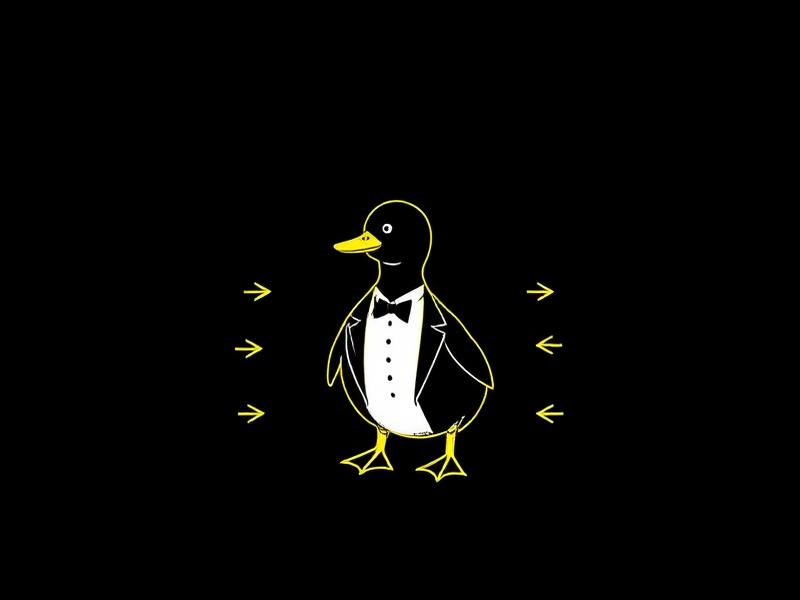
The penguin did not become beloved by accident. It has narrative, hardship, formalwear and a walk that markets itself. It has been positioned relentlessly across documentaries, advertising, cinema and social media.
The Board notes, with some discomfort, that the penguin is not a better bird. It is a better told bird. This distinction is the single most useful lesson in the entire report.
Chapter Three
The National Innovation Programme
Rather than commission another strategy document, the Board did something unusual: it opened the problem to everybody. Engineers, accountants, nurses, students, chief executives and conference delegates were all invited to contribute duck design proposals.
Thousands of ideas later, a pattern emerged. The best proposals rarely came from the experts. They came from people combining two unrelated things they happened to know.
Chapter Four
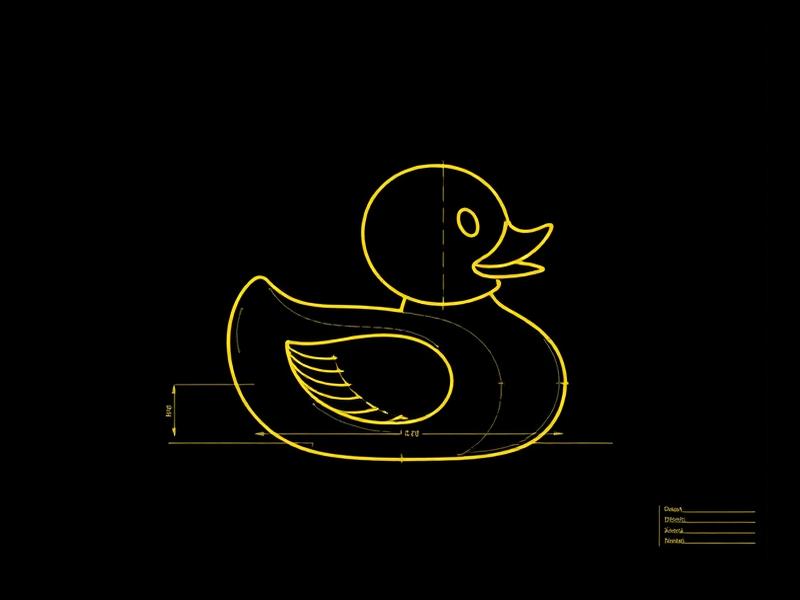
Building A Better Duck
The programme continues in every room where the keynote is delivered. Each audience adds its own prototypes to the national archive, and, without quite noticing, learns the method it will need for the problems it actually gets paid to solve.